The KURB report is a quarterly overview of the state of the designer archival market. Like fashion as a whole, the archival market is in continuous motion; there are trends and flavors of the months here too. And like retail fashion, there are niches and niches within niches. The deeper one digs, the more one realizes how complex it can be. But nonetheless we’re making the monumental attempt to chart its constantly shifting lands, both because it’s interesting and the fact that nobody else does it. The Q3 report will come with some updates that will allow you to grasp the market even better, including the Archival Subcultures, which groups the various brands that KURB covers into different categories, based on data from all the different types of independent stores. Like always, the report will start with an overview of this quarter’s hottest brands, based on the percentage in price and volume change. Last quarter we had , and topping the charts, but this quarter their reign has been toppled by , and .
HOTTEST BRANDS
greatest shifts across all regions
| 1 | +2.7% | |
| 2 | +2.4% | |
| 3 | +2.3% | |
| 4 | +2.1% | |
| 5 | +2.0% | |
| 6 | +1.9% | |
| 7 | +1.8% | |
| 8 | +1.8% | |
| 9 | +1.8% | |
| 10 | +1.7% |
| 11 | +1.7% | |
| 12 | +1.6% | |
| 13 | +1.6% | |
| 14 | +1.6% | |
| 15 | +1.6% | |
| 16 | +1.6% | |
| 17 | +1.5% | |
| 18 | +1.5% | |
| 19 | +1.4% | |
| 20 | +1.4% |
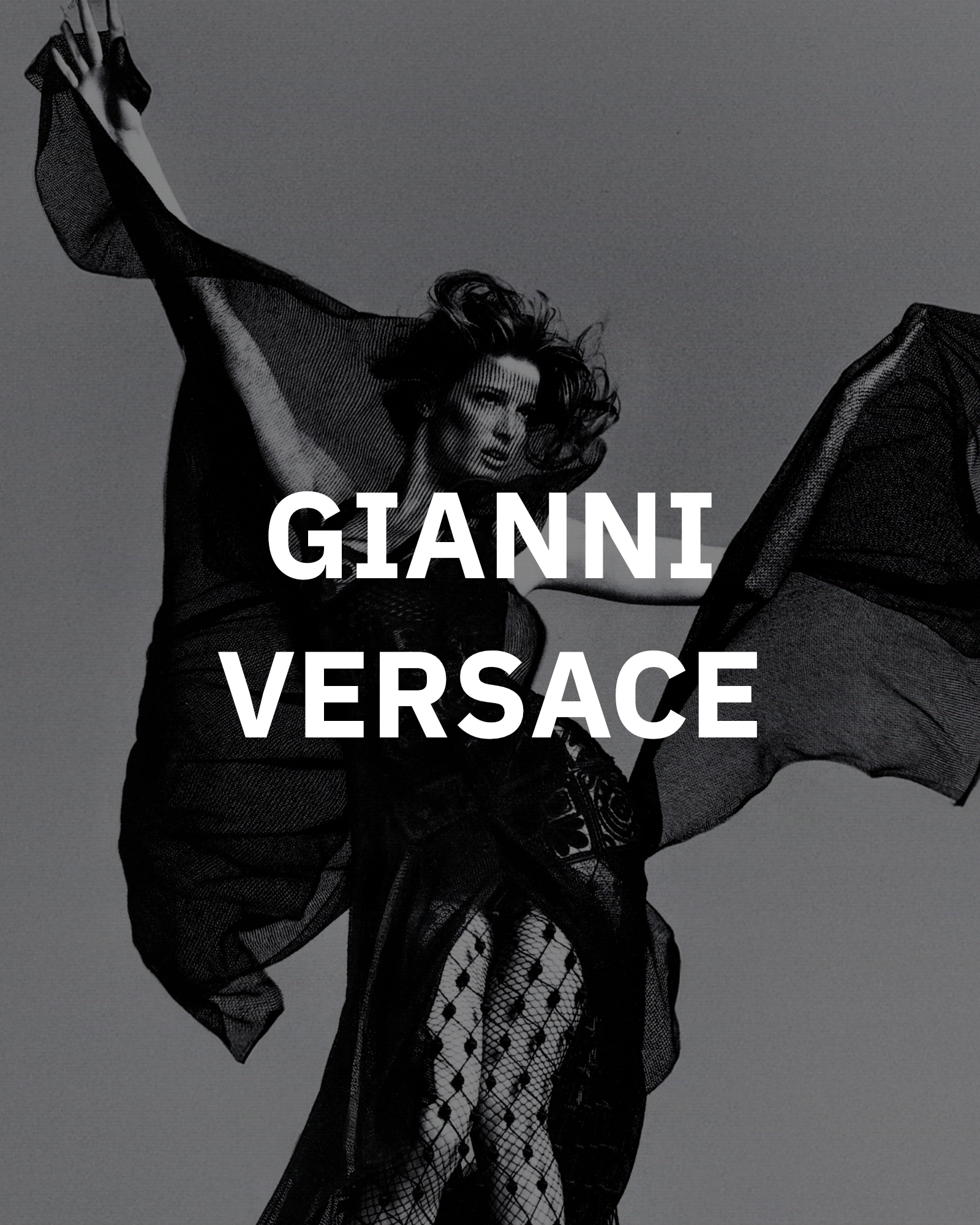
has returned with a vengeance on the archival fashion scene, where his bold colors provide a stark contrast with the ubiquity of toned down aesthetics that have marked the landscape over the past years. It seems to be particularly popular among men who’ll tell you The Sopranos is the best thing that has ever appeared on TV and who want to explore fashion beyond , button ups, realizing that the DTC loafers they recently acquired need to be topped with something less tasteful. That organic cotton long-sleeve isn’t gonna cut it if you plan to mosey the cobbled streets of Sicily and want to avoid sneers from the local Guiseppes and Luigis as you walk into that local espresso spot your discord friend recommended. Good-taste antagonist Gianni Versace opened his first boutique in 1978 and quickly became an international sensation, spearheading a world filled with bright colors, bold prints and sexy cuts, combining “luxurious classicism with over sexuality”. This aesthetic position made him a polarizing figure at the time, garnering as much praise as criticism. Gianni Versace’s life was tragically cut short outside his Miami Beach mansion in 1997. His spirit, however, never really left fashion, as is evident by the newfound appreciation among Gen Z.
PRICE CHANGE
+2.1%
VOLUME CHANGE
+3.6%
was founded in 1984 and draws heavy influence from western counterculture and comic books. Together with the likes of and , Hysteric Glamour is seen as a pioneer in the anti-fashion movement that emerged in Japanese streetwear. It also epitomizes what Japanese fashion does best: draw heavy influences from other cultures and aesthetize it to the max. Hysteric Glamour also proves that, to really understand a culture, you have to be outside it, not inside it. From this position, the brand can also be seen as a subversive take on American consumerism and the irony that results from overexposure to products and information. The partnership with the Andy Warhol Foundation in 1993 therefore seemed like a match made in heaven given the mutual attempt to capture the cultural sentiments in post-modernity, be it through print or clothes. The continuing success of the brand proves the on-going viability of the ironic and subversive stance towards an information culture that has only become more disorderly. But what perhaps separates Japanese fashion from Western fashion is the sense of sincerity that still underpins the production of the garments.
PRICE CHANGE
+1.7%
VOLUME CHANGE
+1.2%

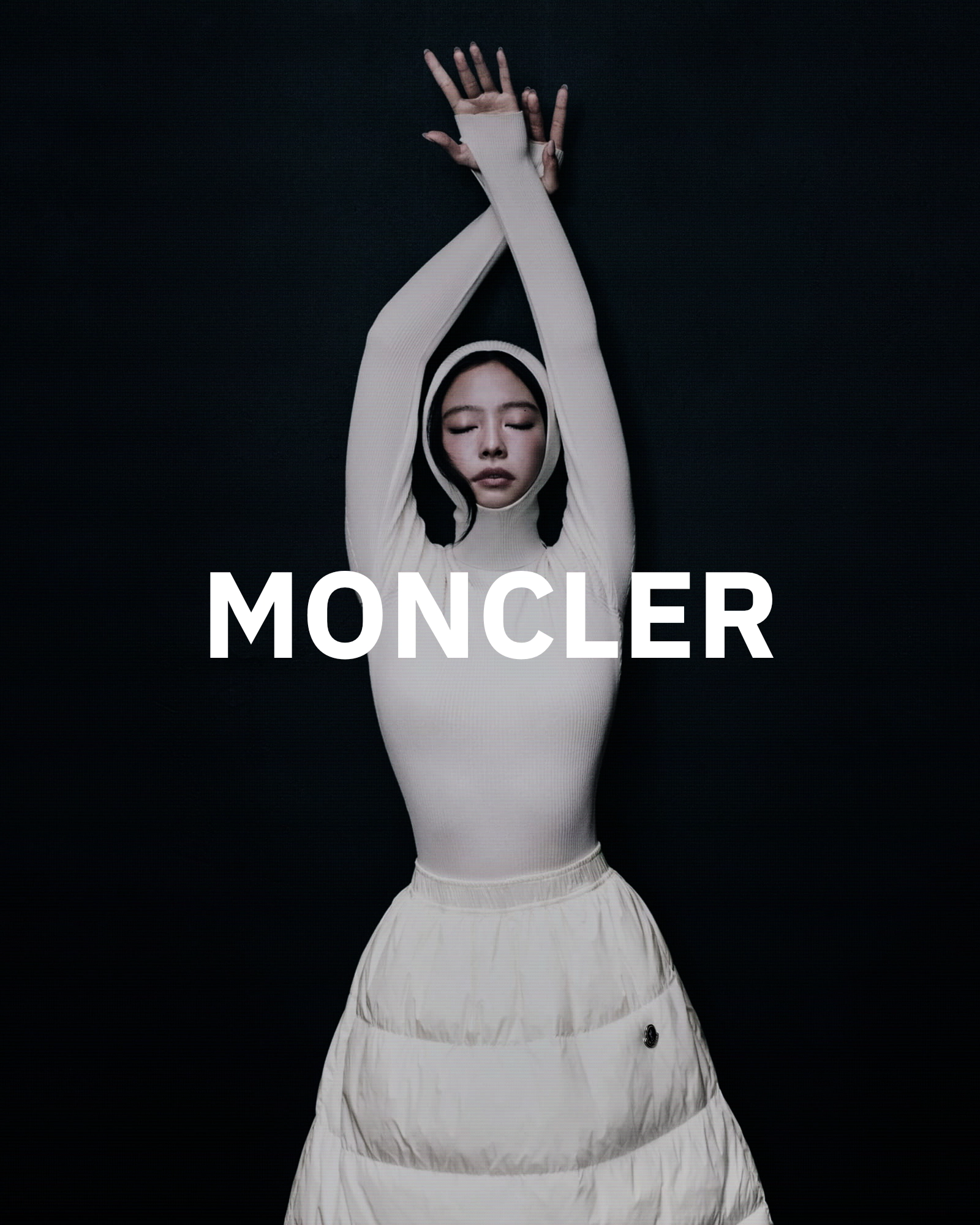
One can’t help but associate with rich moms and dads whose financial capital far outweighs their taste. Though originally founded to equip professional expeditions to the K2s of this world, today you are more likely to see the logo in-between the strap of an bag while the other arm holds the leash of a chihuahua. However, as has been evident since the introduction of Gamme Rouge and Blue, and the handful of collaborations with the likes of and Hiroshi Fujiwara, the brand is trying very hard to be more than a signifier of rank at the private-equity department. Whereas has a rich heritage within material innovation, even they have struggled for decades to absolve themselves from the association with football hooliganism; the logo has almost become synonymous with surplus masculine energy. It makes sense that Moncler acquired them, realizing that a lot can be learned from a brand that managed to outgrow itself into something that is desirable among men of all strata of society, whether they spend their time sitting in a football stadium or an office chair. Moncler’s revenue tripled over the past decade to €3.1 billion, thereby setting an example on how to successfully balance the scales between old money and new money.
PRICE CHANGE
+2.0%
VOLUME CHANGE
+4.0%
ARCHIVAL SUBCULTURES
Brands sit closer together the more often independent sellers stock them side by side, so distance on the map shows how closely related they are. Pick a subculture, then a brand, to see its closest relatives.
Interact with a segment
See every brand in it, ranked by listings, most-listed first. Some brands may appear in the list but not be placed in the chart.
The plot illustrates the cultural proximity of brands based on how often they are curated together. So if Brand X and Brand Y sit closely to each other, they are typically found in the same category of archival store. With the blobs, we aim to categorize the different brands into different fashion sub-cultures. The plot might be particularly useful for those running an archival store and who want to know more about which additional brands they could adopt based on the brands they already stock, while simultaneously increasing their potential customer base, without losing the early adopters. The plot is interactive: click a blob to see its brands, pick a brand to see its closest relatives, or search for one you already stock.
DESIGNER ATLAS
Explore listing volumes and median asking prices by country.
This map showcases the volume and median price for each brand and its categories around the world, seeking to provide a more intuitive overview of the designer archival market. It can be particularly useful if you want to know where to look if you are into certain designers, and how to adjust your filters accordingly.
ARBITRAGE WINDOWS
Buy where it's cheapest, sell where it's dearest, the widest gaps between marketplaces
| # | BRAND | BUY ON | SELL ON | SPREAD | |
|---|---|---|---|---|---|
| 1 | Ricardo$99 | → | Known Source$147 | +$48+49.1% | |
| 2 | Buddy & Selly$112 | → | Ricardo$164 | +$52+46.2% | |
| 3 | Bunjang$440 | → | Poshmark$643 | +$202+45.9% | |
| 4 | Poshmark$338 | → | Mercari (JP)$491 | +$153+45.4% | |
| 5 | The RealReal$420 | → | Mercari (JP)$604 | +$184+43.7% | |
| 6 | Mercari (JP)$128 | → | eBay$184 | +$55+43.2% | |
| 7 | Rakuma$82 | → | Willhaben$117 | +$35+42% | |
| 8 | The RealReal$348 | → | Rakuma$481 | +$133+38.2% | |
| 9 | Bunjang$125 | → | Poshmark$170 | +$45+35.8% | |
| 10 | The RealReal$387 | → | Mercari (JP)$521 | +$135+34.8% | |
| 11 | Depop$87 | → | The RealReal$115 | +$28+32.4% | |
| 12 | Yahoo Auctions$82 | → | Rakuma$108 | +$26+32.1% | |
| 13 | Ricardo$77 | → | Mercari (JP)$101 | +$24+31.7% | |
| 14 | Mercari (JP)$229 | → | eBay$300 | +$71+30.7% | |
| 15 | Mercari (JP)$64 | → | Willhaben$83 | +$19+29.5% | |
| 16 | Yahoo Auctions$161 | → | Mercari (JP)$209 | +$47+29.4% | |
| 17 | Yahoo Auctions$633 | → | Grailed$800 | +$167+26.4% | |
| 18 | Yahoo Auctions$130 | → | Rakuma$158 | +$28+21.4% | |
| 19 | OLX$124 | → | Mercari (JP)$140 | +$16+13.1% |
This tool is made for the store. It highlights the widest gaps in the market, where one can buy a certain designer the cheapest, and sell for the most. At the same time, it can be equally valuable for those not interested in reselling, but purely want to know more about the archival market and where someone can buy their favorite designers for the best price.
Archival fashion is still in its formative years, proven by the fact that it sees a continuous influx of new actors, be it marketplaces, platforms and independent stores. Though it, similarly to retail fashion, has trends, it remains harder to analyze for precisely the same irregularity that comes with immaturity. But if you stare at the noise long enough, like we do, you're bound to see some patterns. The new Archival Subcultures can be seen as macro-analysis of the archival ecosystem that is less likely to change over the course of a quarter. Hottest Brands, in contrast, gives a more granular view of the shifts in the ecosystem and demonstrates how sensitive the space still is to price changes, even over a quarter.
We are the first to not just analyze the archival market with this kind of depth, but also to regard it as an entity that can be analyzed to begin with. A side effect of this is a lot of experimentation and internal brainstorming to find out what might be interesting for the reader. We sit on an immense amount of data, but making it interesting is a challenge in itself.
If you are running an archival business or are interested in reselling. Don’t hesitate to contact us for a tailored solution to your challenges.
APPRAISE
Got a specific piece in mind? KURB's Price Intelligence appraises it against the archival designer market (costs 1 Credit).
WANT YOUR OWN ANALYTICS?
We build custom analytics tailored to your needs.
Specific designers, markets, price trends, arbitrage opportunities, or anything in between.
Get in touch and we'll make it happen.